Dream Sight: A Dictionary and Guide for Interpreting Any Dream
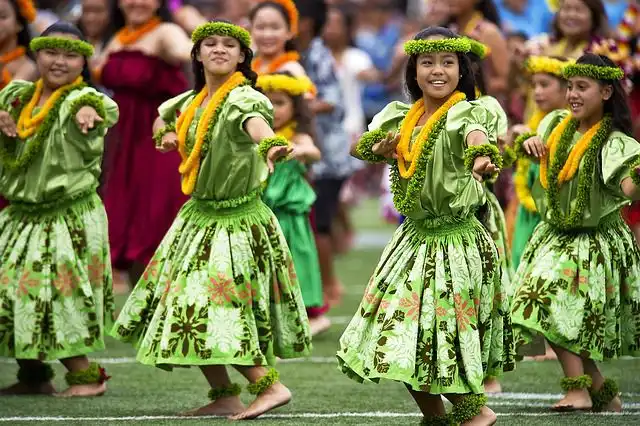
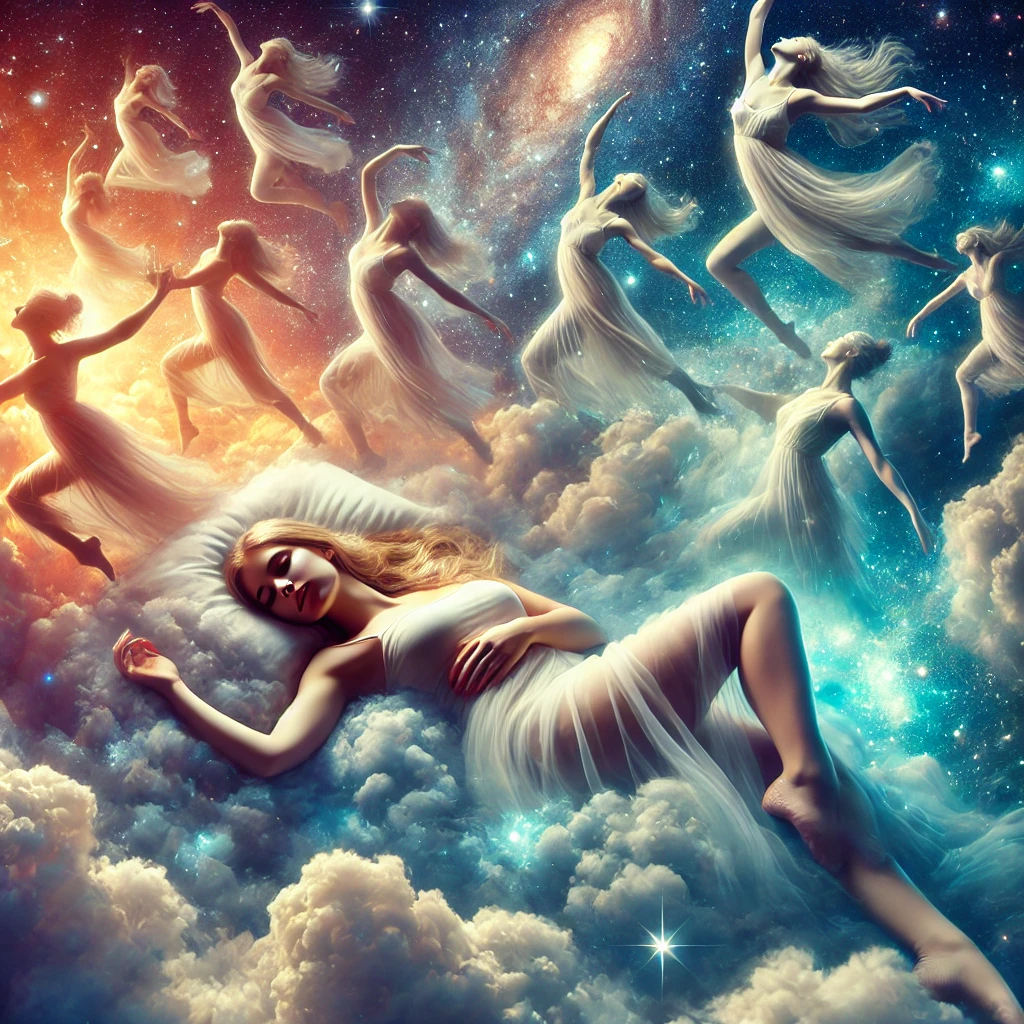
by Dr. Michael LennoxDreaming Lens: Were you dancing? Was someone else dancing? If you were dancing, were you dancing with anyone else? Who were you dancing with? Did you know the person? What kind of dance were you doing? Was it couples dancing, or was it a group dancing? What kind of music was involved, if any?
Personal Focus: Dancing is an elaborate mating ritual. It is a socially acceptable behavior that is designed to escalate toward intimacy and sex. Even dancing alone is a sensual experience that celebrates the ability to move in space. This results in a sensual experience of one’s body, signaling a readiness for sexual expression. Dancing in a dream relates to this need for connection to the celebratory experience of bodily desire.
When dancing, each partner responds to the other in an opposing manner. This is most apparent in ballroom dancing where the actual steps taken will be done in reverse by each. The same could be said of free-form dancing, in that a vibrant dance experience often relates to how well the two dancers play off one another. In group dancing, such as ballet or modern dance troupes, the symbolic conversation expands to the idea of poetry in motion.
If you are one of the dancers, you may need to masterfully integrate the energetic qualities of the person with whom you are dancing. If you are watching others dance, then you may need to incorporate the qualities of the pair that is dancing. A modern dance club atmosphere is likely a call for abandon or a cry for freedom of expression. Partner dancing indicates a demand for the working together of the disparate elements represented by the two who are dancing. A more free-form style of dance may point to a need to let go of control whereas more precise movement may indicate that a level of discipline is required. Watching a dance performance likely connects to a need to be more expressive with your body and/or your relationship to sensuality.
A Dictionary of Dream Symbols
by Eric Ackroyd(2) By virtue of its sexual associations, dancing may represent a coming together - courtship - of the masculine (animus) and feminine (anima) side of one’s nature (for anima / animus, see Brothcr / Sistcr, sections
(4) -(6)).
(3) Joining a dance probably means relating cooperatively with the other person or group. What does that person or group symbolize? It may be some part of you: your hidden self, with its multitude of emotions, instinctive impulses, ideas, ideals, beliefs / prejudices, attitudes, ambitions, etc.
(4) Perhaps it is the ‘dance of life’. Participating / not participating in the dance would then mean relating harmoniously with Nature (or your unconscious) / being out of step with it. (Dancing clumsily might signify that you were ‘out of step’.)
(5) If the dance is a frenzied solo performance, it may represent some kind of‘possession’, indicating that some psychic element is threatening to take you over.
If this is the case, you need to identify the causes of any compulsive behaviour you observe in yourself; and then to come to terms with it - which will usually mean either making space in your life for some hitherto repressed part of you; or getting rid of (repressed) guilt-feelings; or both. (For repression)
The Language of Dreams
by Patrica TelescoA type of passionate, sexual dream, like the Dance of the Veils in Arabia.
The act of courtship.
Joining a dance equates to integrating with a new group or situation. Watch to see how smoothly this dance progresses.
The dance of life. Consider if you are standing at the sidelines here, being a wallflower, or if you participate fully in what the music offers.
Ecstatic dance: In places like Africa and .Arabia, this type of dancing reflects religious zeal and acts as a vehicle for divine possession. So, ask yourself how much you wish to be controlled by faith, lead by convictions, and influenced by creeds.
Dancing without a partner: Either reveling in self-fulfillment, or wishing for someone with whom to share the dance floor of your life.
A representation of the universal feminine aspect through movement. In many ancient cultures, dance was part of fertility rites. In Asia, specifically, the art of belly dancing developed from this idea.
Each form of dance has specific implied or symbolic interpretive value.
For example, tap dancing can equate to side stepping the issues, whereas ballet reflects either a graceful demeanor in difficult situations or walking on tiptoe around people.