
A Guide to Dreams and Sleep Experiences
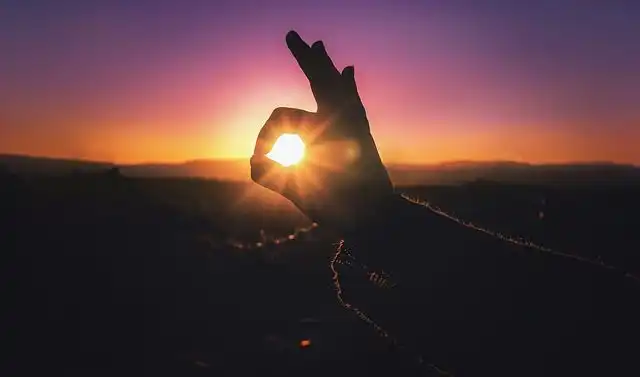
by Tony CrispExample: It was a beautiful hot sunny day, and I was in a children’s playground talking to a woman I knew vaguely’ (Kim B). Mostly our mood. In the example Kim feels bright and cheerful.
An overcast day would be the reverse. Also being conscious, seeing’ what we are doing, our waking experience.
See light; time of day.
night
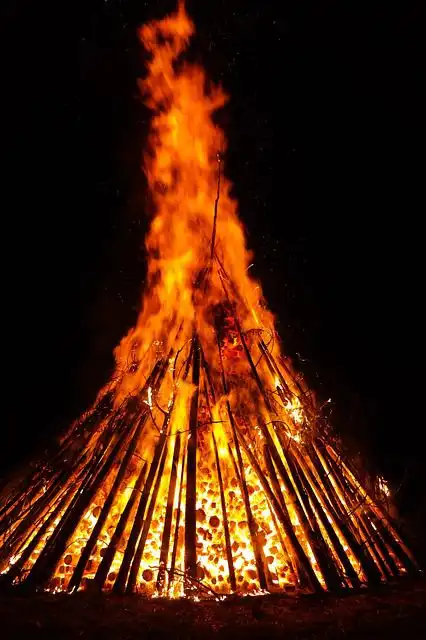
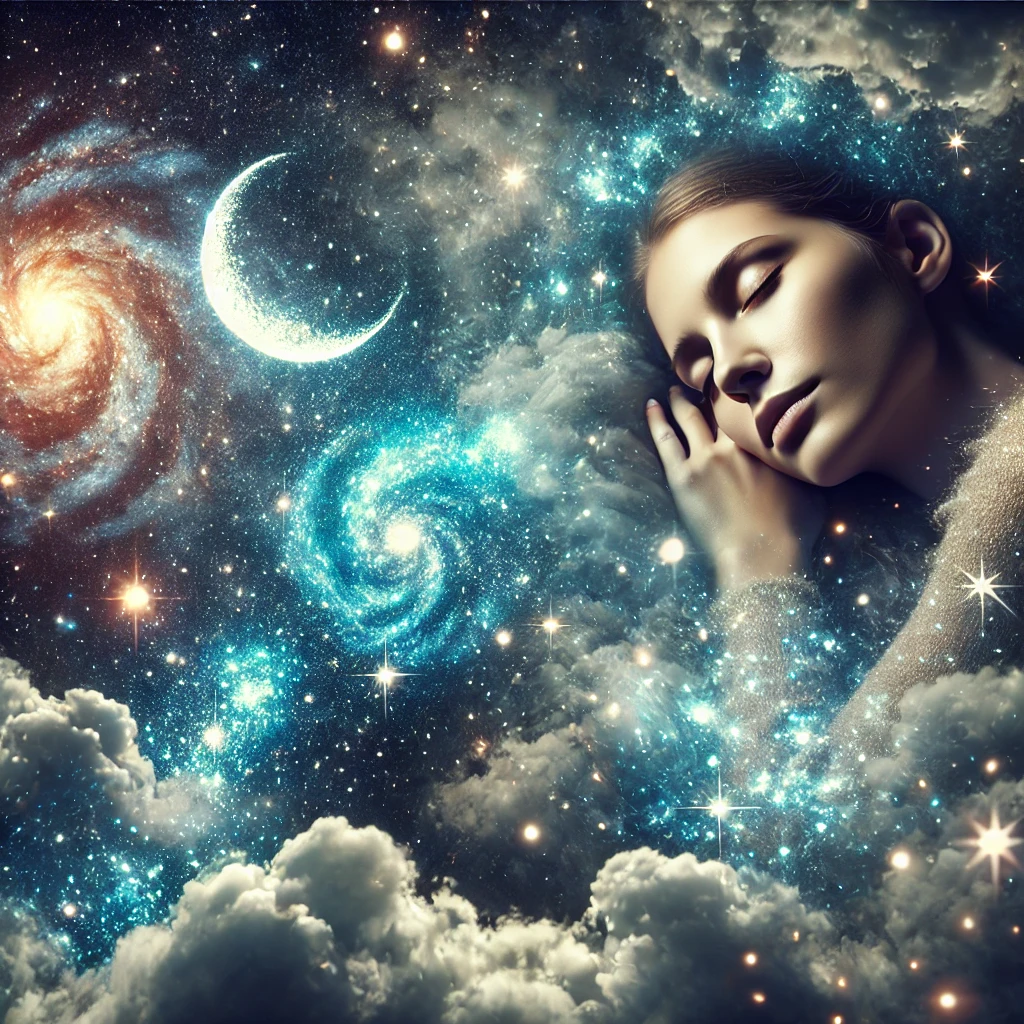
Example: I was creeping through a field at night. In darkness I and others were trying to accomplish some secret act, rather as spies or underground agents might’ (Tom). Similar to dark. Usually the unconscious, dark or little-sensed areas of oneself. In the example the secrecy occurs because pans of Tom’s childhood experience were ‘hidden’ behind the forgetfulness or unconsciousness of emotional hurt. Also loneliness; areas of subtly felt urges or feelings. And sometimes freedom; we may be constrained by the social or moral rules we apply to ourself during the ‘day’ or waking consciousness, but on the edge of consciousness, or in sleep, we find a wonderful freedom which allows us escape. Sometimes shown by escaping from a house at night and running away.
See dark.
Ten Thousand Dream Dictionary
by Pamela Ball2- We often differentiate between two states in dreams, and the contrast between day and night highlights this.
3- Day and night can represent opposites, as in black and white, boy and girl, etc. Indeed, any two opposites may have relevance, and it is up to the dreamer to decide what opposition there is in his or her life.